
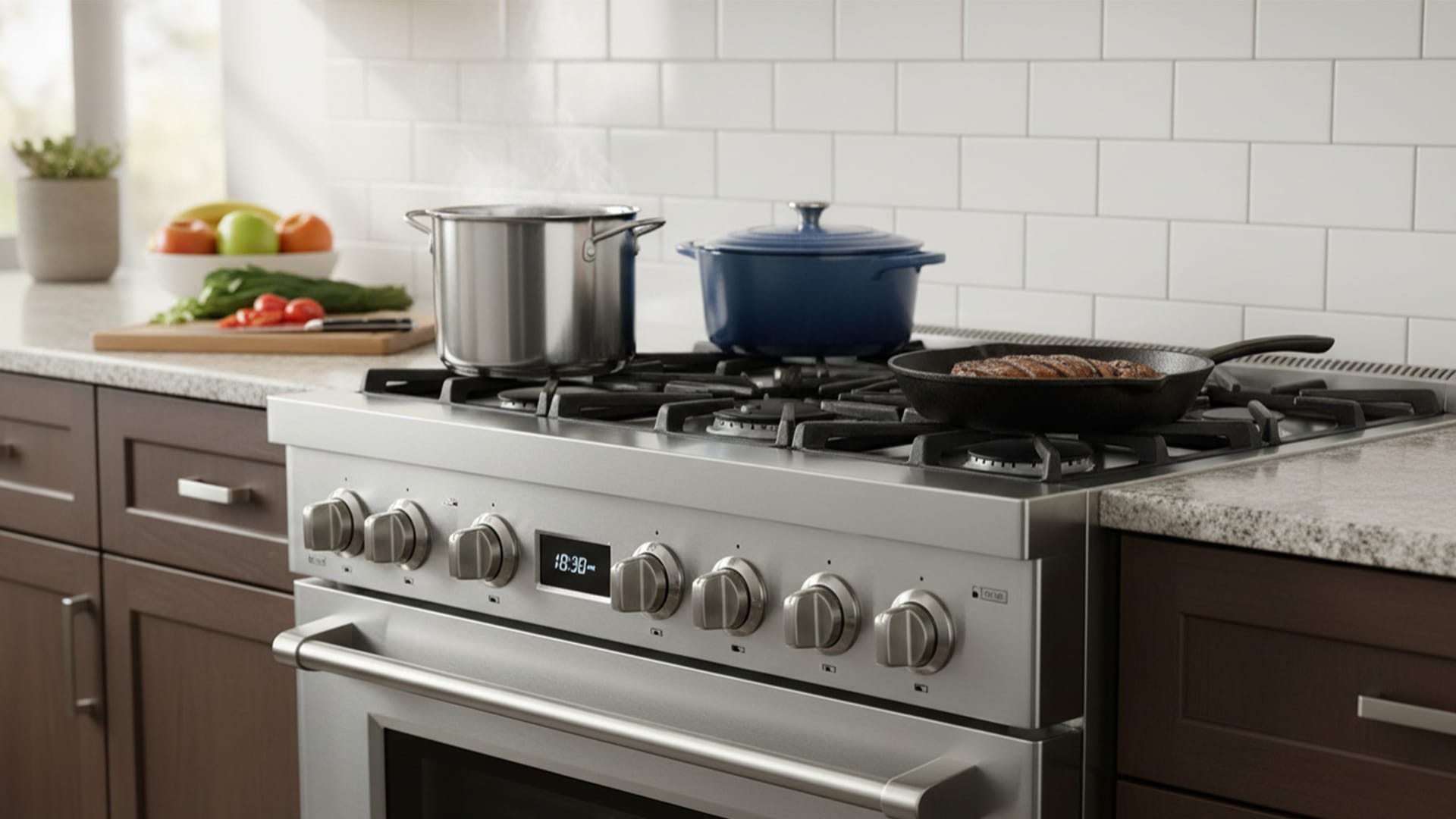
Common Household Items That Can Cause Serious Injuries: Know Your Rights

Most people feel safe inside their own homes. It is a place of comfort and routine. Yet many serious injuries happen every day because of common household items. These products look harmless.
We use them daily without much thought. Still, when something goes wrong, the results can be painful and life changing. Burns, cuts, electric shocks, and falls often start inside the home. Many victims do not realize they may have legal rights.
Understanding how dangerous everyday products can cause harm can help you stay alert and protect yourself. It can also help you know what steps to take if an injury occurs.
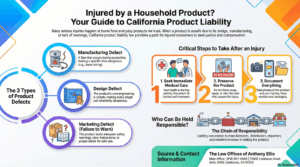
Learn more about a personal injury lawyer in California
Why Everyday Household Products Can Be More Dangerous Than You Think
Household products are designed for regular use. This creates a false sense of safety. Over time, people stop reading labels or warnings. They may ignore small defects or unusual behavior in an appliance. Some products are rushed to market with poor testing.
Others lack clear instructions. In many cases, injuries happen not because of misuse, but because the product itself is unsafe. A small flaw can lead to serious harm. This is why awareness matters. Knowing the risks helps prevent injuries and supports better decisions after an accident.
Find out more about Product liability lawyer
Most Common Dangerous Everyday Products Found in Homes
Many injuries come from items we rarely question. These products are often trusted and widely sold. They can still cause harm if something fails.
Kitchen Items
Kitchen tools are a major source of household injuries. Sharp knives can slip due to poor grip design. Pressure cookers may explode if valves fail. Blenders and food processors can cause deep cuts. Gas stoves may leak and start fires. Even microwaves can cause burns if safety locks fail. These risks increase when products are poorly designed or lack proper warnings.
Bathroom and Cleaning Products
Bathrooms contain slippery surfaces and chemical products. Hair dryers and electric shavers can cause an electric shock near water. Cleaning agents may lead to burns or breathing problems. Toilet cleaners and drain chemicals often lack child safe packaging. A simple mistake can result in serious injury. In many cases, safer labeling or better design could have prevented harm.
How Household Injuries Commonly Happen
Household injuries usually happen in predictable ways. Products may overheat. Wires may fray. Parts may loosen over time. Sometimes instructions are unclear or missing. In other cases, warning labels are too small or vague.
Children and older adults face a higher risk. Poor lighting, clutter, and rushed use also increase danger. When an injury happens, it is often blamed on the user. But many incidents trace back to unsafe product design or poor safety standards.
Types of Injuries Caused by Common Home Products
Household injuries range from mild to severe.
- Burns are common from hot surfaces, chemicals, and faulty appliances.
- Cuts and lacerations occur from sharp tools and broken glass.
- Electric shocks may cause nerve damage.
- Falls can lead to fractures or head injuries.
Some injuries result in long term disability. Others require surgery or extended recovery. Emotional stress and financial strain often follow. These outcomes highlight why household injury claims exist and why safety standards matter.
When a Household Injury Becomes a Legal Claim
Not every accident leads to a legal case. A household injury claim may arise when a product is unsafe despite normal use. If a product fails, lacks warnings, or is defectively designed, liability may exist. The key question is whether the injury was preventable.
If the manufacturer or seller did not act responsibly, the injured person may have the right to seek compensation. Understanding this difference helps victims decide their next steps.
Understanding Liability for Home Appliances and Products
Liability for home appliances depends on several factors. Manufacturers must ensure products are safe when used as intended. Sellers must not hide known risks. Distributors must follow safety rules. If any party fails in their duty, they may be held responsible. Liability does not always require proof of negligence. In some cases, the existence of a defect is enough. This legal protection exists to encourage safer products and fair outcomes for consumers.
Product Defects That Lead to Serious Household Injuries
Product defects are a major cause of household injury claims. These defects fall into clear categories recognized by law.
Manufacturing Defects Explained
Manufacturing defects occur during production. A single product may differ from others in the same batch. Examples include loose wiring, cracked parts, or faulty seals. Even if the design is safe, poor assembly can make a product dangerous. These defects often go unnoticed until an injury occurs.
Design Defects and Unsafe Product Engineering
Design defects affect every unit of a product. The product is dangerous by design, even when made correctly. Poor balance, sharp edges, or overheating issues fall into this category. Safer alternatives often exist. Failure to choose them may create legal responsibility.
Marketing Defect Examples and Failure to Warn Consumers
Marketing defect examples include missing warnings or unclear instructions. A product may be safe only if used in a specific way. If this is not clearly explained, consumers are placed at risk. Common examples include a lack of choking warnings or unclear electrical safety instructions. Failure to warn is a serious issue in household injury cases.
Learn more about Design Defect vs Manufacturing Defect
Who Can Be Held Responsible for Household Product Injuries
Responsibility may fall on more than one party. Manufacturers are often primary targets. Retailers may share liability if they sell unsafe goods. Importers and distributors may also be responsible. In some cases, landlords may be liable for unsafe appliances in rental homes.
Identifying the responsible party is important for a successful claim. Legal guidance often helps clarify this process. Your actions after an injury matter. Seek medical care first. Health comes before anything else. Preserve the product if possible.
Do not repair or throw it away. Take photos of the injury and the item. Keep receipts and packaging. Write down what happened while the details are fresh. Avoid giving recorded statements without advice. These steps can protect your rights and support a future claim.
Explore further about Product Malfunctions and Injures California
Evidence That Strengthens a Household Injury Claim
Strong evidence builds trust and clarity. Medical records show the extent of injury. Photos capture visible harm. Product manuals and labels show missing warnings. Witness statements add support. Expert opinions may explain how a defect caused harm.
Together, these elements help show that the injury was not your fault. Clear evidence often leads to fair compensation and quicker resolution.
Common Mistakes That Can Weaken Your Injury Case
Some mistakes can harm a claim.
- Delaying medical care creates doubt.
- Disposing of the product removes key proof.
- Posting details online may be used against you.
- Accepting early settlements without understanding value can limit recovery.
- Not acting within legal time limits can end a case entirely.
Awareness of these risks helps protect your interests.
How Compensation Is Determined in Household Injury Cases
Compensation depends on several factors. Medical costs are a major part. Lost income may be included. Pain and suffering are also considered. Long term impact matters. Each case is different. Clear documentation helps ensure fair evaluation. The goal is to restore balance after harm, not to punish unfairly. Understanding this process builds confidence and realistic expectations.
Why Knowing Your Rights Matters After a Household Injury
Many people suffer in silence after home injuries. They assume accidents are their fault. This belief is not always true. Knowing your rights empowers better decisions. It encourages accountability. It also promotes safer products for everyone. Awareness can turn a painful event into a path toward recovery and justice.
Staying Safe and Protecting Your Legal Rights
Many serious injuries happen inside the home due to common household items that fail during normal use. When products are poorly designed, manufactured incorrectly, or lack proper warnings, injuries may be preventable.
Understanding household injury claims and product liability laws helps consumers recognize when an accident may involve a defective product. Taking prompt medical action, preserving evidence, and understanding who may be responsible can protect both health and legal rights.
California product liability law exists to promote safer products and fair accountability. Knowing your rights after a household injury allows informed decisions, supports recovery, and helps prevent similar harm to others in the future.
Frequently Asked Questions About Household Injury Claims
- What qualifies as a dangerous everyday household product?
A dangerous household product is a common item that causes injury due to a defect. This may include poor design, manufacturing errors, or missing safety warnings. - Can I still have a claim if I used the product exactly as intended?
Yes. Injuries during normal use often support household injury claims. Product liability law focuses on product safety, not user fault. - Who can be legally responsible for faulty home appliances or products?
Responsibility may include manufacturers, distributors, retailers, or importers. Any party involved in placing an unsafe product into the market may be liable. - Do I need to prove negligence to bring a household injury claim?
Not always. Many cases rely on strict product liability standards. This means showing that the product was defective and caused harm may be enough. - What are common examples of marketing or warning defects?
Examples include missing safety warnings, unclear instructions, or misleading labels. Failure to warn consumers of known risks can create legal responsibility. - How long do I have to file a household injury claim?
Time limits depend on the jurisdiction and type of claim. Acting early helps preserve evidence and protects legal rights. - Can injuries to children from household products lead to legal claims?
Yes. Children are often protected by higher safety standards. Products that pose foreseeable risks to children may create stronger claims. - Does the age of the product affect whether a claim is valid?
Product age can matter, but defects may still be relevant. Design flaws or manufacturing issues may exist regardless of product age. - Are emotional and psychological injuries considered in household injury claims?
In many cases, emotional distress is part of the legal evaluation. This may include anxiety, trauma, or reduced quality of life. - Should I keep the damaged or defective product after an injury?
Yes. Preserving the product in its current condition is very important. Physical evidence often plays a key role in proving how the injury occurred.