
Design Defect vs Manufacturing Defect: What’s the Legal Difference?

Product injuries often raise a simple question. What went wrong with the product? That answer matters more than most people realize, especially in California cases handled by experienced product liability lawyers
In product liability law, defects usually fall into two main categories. Design defects and manufacturing defects. Both can cause serious injuries, but the law treats them very differently.
Understanding this difference helps injured consumers protect their rights. It also explains why some cases focus on unsafe product design while others center on production mistakes.
This guide explains the legal difference in clear language. It uses real-world examples and practical explanations, making the topic easy to understand and apply.
Why Understanding Product Defects Matters in Injury Cases
Product defect cases are not about accidents alone. They focus on safety. The law looks at whether a product was safe when used as intended. If a product causes harm, identifying the type of defect becomes the foundation of the case. Courts use different rules to judge different defects. Evidence also changes based on the defect type. Knowing the difference helps injured people understand what must be proven and why some claims succeed while others fail.
Why Understanding Product Defects Matters in Injury Cases
Product defect cases are not about accidents alone. They focus on safety. The law looks at whether a product was safe when used as intended. If a product causes harm, identifying the type of defect becomes the foundation of the case. Courts use different rules to judge different defects. Evidence also changes based on the defect type. Knowing the difference helps injured people understand what must be proven and why some claims succeed while others fail.
Learn More: filing a product liability claim in California
What Is a Design Defect in Product Liability Law
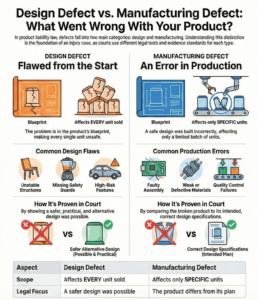
A design defect exists before a product is made. The problem is in the plan itself. Every unit of the product carries the same risk. Even when the product is manufactured correctly, it is still unsafe. The focus here is not on a single mistake but on the overall design choice. Courts often ask whether a safer design was available. If a safer option existed and was ignored, the product may be legally defective.
Common Design Defect Examples That Lead to Injuries
Unsafe Product Structure
Some products are unstable by nature. They tip over easily or lack proper balance. This can cause falls, crushing injuries, or burns. The risk exists no matter how carefully the product is made.
Lack of Safety Features
Many design defect examples involve missing safety features. This may include guards, shields, or automatic shutoff systems. When these features are absent, the product becomes dangerous even during normal use.
High Risk With No Added Benefit
Courts often look at risk versus benefit. If a design creates great danger with little benefit, it may be considered defective. A safer design that costsa little more can strengthen this argument.
Learn More about design defect product liability cases
What Is a Manufacturing Defect and How Does It Occur
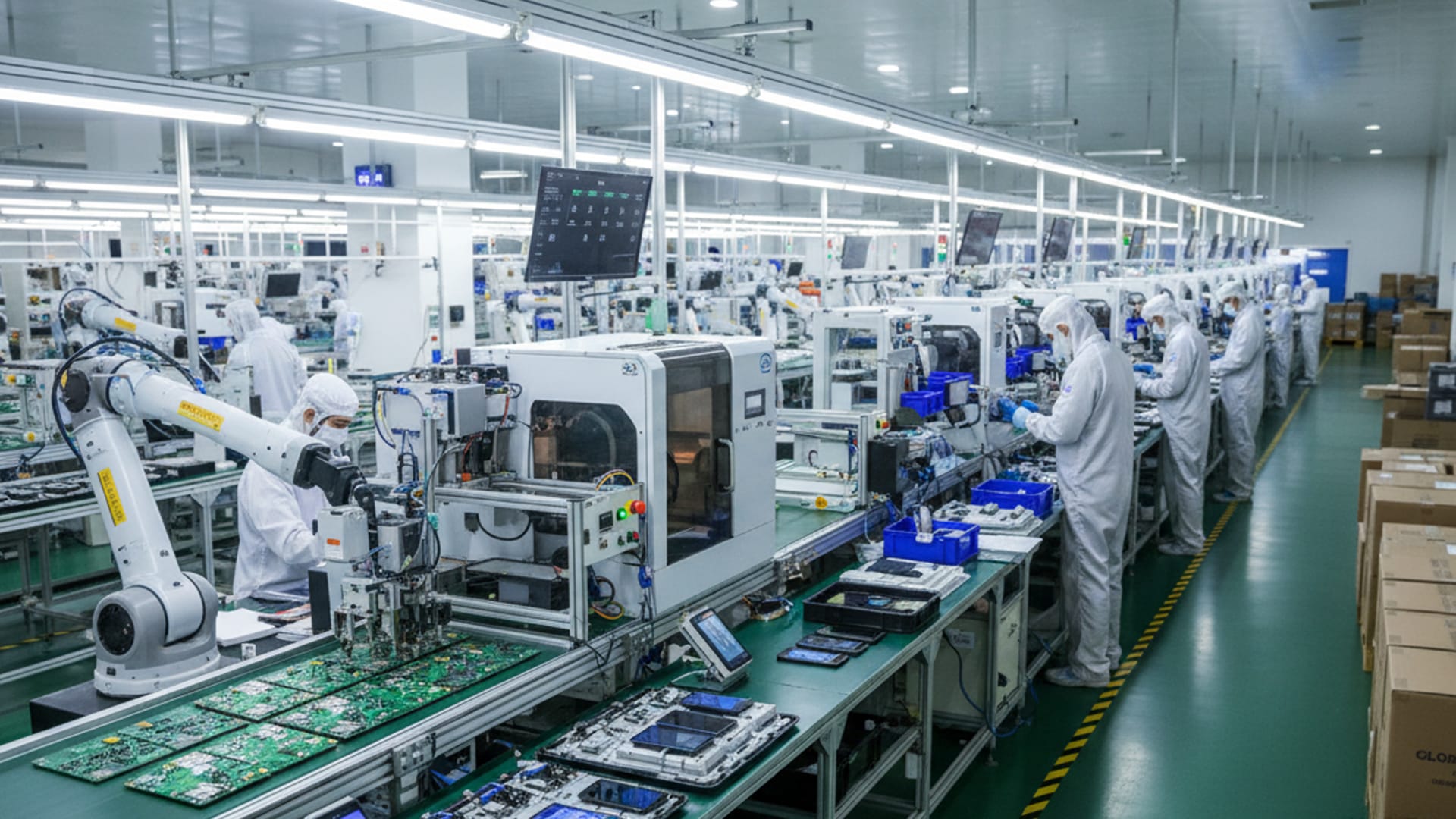
A manufacturing defect happens during production. The product design may be safe. The problem arises when something goes wrong while making the product. This defect usually affects only certain units, not all products. These errors can occur due to poor quality control, faulty materials, or rushed assembly. A single mistake can turn a safe product into a dangerous one.
Real-World Manufacturing Errors That Trigger Lawsuits
Faulty Assembly
Parts may be installed incorrectly. Screws may be loose. Components may be missing. These errors can cause products to break or fail during use.
Defective Materials
Sometimes the wrong materials are used. Weak metals or low-quality wiring can cause sudden failure. These defects often appear after limited use.
Quality Control Failures
Many manufacturing error lawsuits arise from poor inspection processes. Defects that should have been caught are missed. The unsafe product then reaches consumers.
Key Legal Differences Between Design Defects and Manufacturing Defects
The biggest difference lies in scope. A design defect affects every unit. A manufacturing defect affects only certain products. Proof also differs. Design defect cases often require showing that a safer design was possible. Manufacturing defect cases focus on showing the product deviated from its intended design. Courts compare product defects and legal standards differently depending on the defect type. This distinction shapes the entire case strategy.
How Courts Analyze Design Defect Claims
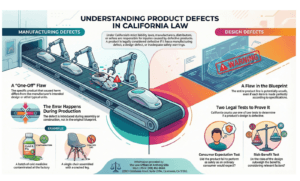
Courts often use specific tests for design defects. One test looks at consumer expectations. Would an ordinary user expect the product to be that dangerous? Another test weighs risks against benefits. If risks outweigh benefits and safer alternatives exist, the design may be defective. Expert testimony is often used to explain safer design options and industry standards.
How Courts Evaluate Manufacturing Defect Claims
Manufacturing defect claims focus on consistency. Courts compare the defective product to properly made versions. If the injured product differs from the design plan, it may be defective. These cases often rely on inspection records, production data, and expert analysis. The goal is to show that the product was not made as intended.
Evidence Used to Prove Each Type of Product Defect
Evidence plays a central role in defect cases. For design defects, product blueprints, expert reports, and alternative designs matter. For manufacturing defects, physical inspection of the product is key. Photos, test results, and quality control records help show what went wrong. Medical records connect the defect to the injury. Together, this evidence builds trust and clarity.
Who Can Be Held Responsible for Each Type of Defect
Responsibility may fall on different parties. Designers and manufacturers are often involved in design defect cases. In manufacturing defect cases, factories, suppliers, and distributors may share responsibility. Sellers may also be included if they played a role in placing the unsafe product into the market. Product liability law allows injured consumers to seek accountability from all responsible parties.
How Compensation Is Affected by the Type of Product Defect
Compensation depends on injury severity, not defect type alone. Medical costs, lost income, and pain are considered. However, the defect type can affect how easily liability is proven. Clear defects often lead to smoother resolution. Complex design cases may require more expert support. In both cases, the goal remains the same. To fairly address the harm caused.
Common Misunderstandings About Design vs Manufacturing Defects
Many people believe only broken products are defective. This is not true. A product can work exactly as designed and still be unsafe. Others think only the factory is responsible. In reality, design choices matter just as much. Understanding these points helps injured consumers avoid confusion and delays.
What Injured Consumers Should Know Before Taking Legal Action
Timing matters. Evidence should be preserved early. The product should not be repaired or altered. Medical care should be documented. Understanding whether the issue is design based or manufacturing based helps guide the case. Clear information leads to stronger outcomes and better decisions.
Final Thoughts on Identifying the Right Type of Product Defect
Understanding the difference between a design defect and a manufacturing defect is critical in product liability cases. It shapes how liability is proven and who may be held responsible. In California, courts apply different legal tests, evidence standards, and expert analysis based on defect type.
Some products are dangerous by design, while others become unsafe due to production errors. Identifying the correct defect early helps protect evidence and strengthen claims. For injured consumers, this knowledge supports better decisions, clearer legal strategies, and fair compensation.
Accurate defect classification is not a technical detail. It is the foundation of a strong product liability case.
Anthony treated my case like it truly mattered. He fought hard and got me more than I expected.
Frequently Asked Questions About Design Defects and Manufacturing Defects
- What is the legal difference between a design defect and a manufacturing defect?
A design defect exists in the product blueprint and affects every unit sold. A manufacturing defect happens during production and affects only specific units. - Can one product contain both design and manufacturing defects?
Yes. A product can be unsafe by design and also built incorrectly.Both defects may contribute to the same injury. - Are design defect cases harder to prove than manufacturing defect cases?
Often yes. Design defect claims usually require expert testimony and alternative design analysis. Courts examine risk, benefit, and available safer designs. - What is a clear example of a design defect?
A product that tips over easily due to poor balance is a classic example. Every unit carries the same danger. - What commonly causes manufacturing defect lawsuits?
Production errors like faulty wiring, missing parts, or weak materials trigger many claims. These defects occur after the design stage. - Is the actual product required to prove a manufacturing defect?
Keeping the product is very helpful and often strengthens the case. However, photos, records, and expert analysis may still support claims. - Who determines whether a product is legally defective?
Courts decide using evidence, expert opinions, and established safety standards. Judges and juries evaluate defect type and causation. - Does product cost affect whether a defect claim is valid?
No. Safety standards apply equally to low cost and high cost products. Price does not reduce a manufacturer’s legal responsibility. - Can warnings or instructions change defect classification?
Yes. Inadequate warnings may shift claims toward design or marketing defects. Clear instructions are part of product safety. - Why does defect classification matter in product liability law?
Different defect types require different proof, legal tests, and strategies. Correct classification directly affects case strength and outcomes.