
What to Do If a Product Malfunctions and Injures You in California

A product malfunction can change your life in seconds. One moment, you are using a product as intended. The next moment, you are injured, confused, and unsure what to do next. This happens more often than people think. Defective appliances, tools, and consumer products cause serious harm every year in California.
Many injured people blame themselves. In reality, the product may be unsafe. Knowing the right steps after a product injury can protect your health and your legal rights. In serious cases, speaking with a product liability lawyer can help injured consumers understand their options under California law.
This guide explains what to do in clear and simple terms so you can act with confidence.
Understanding Product Malfunctions and Injury Risks
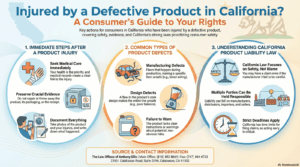
A product malfunction happens when an item fails during normal use. It may overheat, break, leak, or stop working safely. These failures often point to deeper problems. Some products are poorly designed. Others are made with weak parts. In many cases, warnings are missing or unclear. Injuries from defective products include burns, cuts, fractures, electric shocks, and head injuries. These risks exist even when you follow instructions. Understanding this helps you see that a product defect injury is not always your fault.
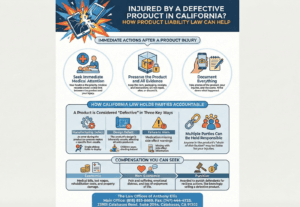
Immediate Steps to Take After a Product Defect Injury
Your actions right after the injury matter. They affect your recovery and your legal options. These product defect injury steps help protect you.
Get Medical Help Right Away
Your health comes first. Seek medical care as soon as possible. Even minor injuries can become serious later. Medical records also create a clear link between the product malfunction and your injury.
Stop Using the Product Immediately
Do not use the product again. Continued use can cause more harm. It may also weaken your claim. The condition of the product matters.
Document What Happened
Take photos of the product and your injuries. Capture the scene if possible. Write down what you were doing. Include the date and time. Small details help later.
When to Seek Medical Attention and Why It Matters
Some injuries look minor at first. Burns, head injuries, and internal injuries may worsen over time. A medical visit protects your health. It also builds trust in your claim.
Doctors’ notes show the injury was real and required care. Delaying treatment can create doubt. Insurance companies often use delays against injured people.
Early care shows you took the injury seriously.
How to Preserve Evidence After a Defective Product Injury
Preserving evidence of defective items is one of the most important steps. Evidence shows how and why the product failed.
Keep the Product in Its Current Condition
Do not repair the product. Do not throw it away. Store it in a safe place. Changes can destroy key proof.
Save Packaging and Instructions
Boxes, manuals, and warning labels matter. They show what the manufacturer told consumers. Missing or unclear warnings support your case.
Collect Proof of Purchase
Receipts, bank statements, or online orders confirm ownership. This connects the product to you.
Reporting Unsafe Products in California
Reporting unsafe products helps protect others and strengthens your case. In California, unsafe products can be reported to state agencies and national safety authorities. One key organization is the Consumer Product Safety Commission. Reports help track dangerous products. They may lead to recalls or safety alerts. Reporting also shows you acted responsibly after the injury.
Common Types of Product Defects That Cause Injuries
Product defects fall into three main categories. Each plays a role in product injury cases. Understanding the design defect vs manufacturing defect distinction helps explain why some products are unsafe by design while others fail due to production errors.
Manufacturing Defects
These happen during production. A single product may be faulty, while others are safe. Loose wiring or cracked parts are common examples.
Design Defects
Design defects affect every unit of a product. The product is unsafe even when made correctly. Poor balance or overheating risks often fall here.
Failure to Warn
This happens when instructions or warnings are missing or unclear. Consumers are not told about real risks. Many injuries could be avoided with proper warnings.
Find out more about common household items that cause serious injuries.
Who May Be Legally Responsible for a Defective Product Injury
Responsibility may fall on several parties. Manufacturers are often responsible. Distributors and sellers may also share blame. In some cases, importers or installers may be involved. California law allows injured people to seek accountability when a product is unsafe. You do not always need to prove negligence. Showing the product was defective and caused harm may be enough.
Understanding Product Liability Laws in California
California has strong product liability laws. These laws protect consumers from unsafe products. They focus on safety, not blame. If a product causes injury during normal use, the injured person may have a claim. This applies even if the manufacturer tried to be careful. These rules exist to encourage safer products and honest warnings.
What Not to Do After Being Injured by a Malfunctioning Product
Some actions can weaken your case. Avoid posting details online. Do not give recorded statements without advice. Do not accept quick settlements without understanding the value of your claim. Avoid guessing about faults. Stick to facts. These steps help protect your rights.
Evidence That Can Strengthen a Product Injury Claim
Strong evidence builds trust. Medical records show injury and treatment. Photos show damage. Expert reviews explain how the product failed. Reports to safety agencies add credibility. Together, this evidence shows the injury was real and preventable.
How Compensation Is Determined in California Product Injury Cases
Compensation depends on several factors. Medical costs are a major part. Lost income may be included. Pain and emotional stress also matter. Long term effects increase value. Each case is unique. Clear records help ensure fair review. The goal is to help you recover from the harm caused.
California law sets time limits for claims. These limits are strict. Missing a deadline may end your case. Acting early protects your options. It also helps preserve evidence and witness memory. Early action supports stronger outcomes.
Final Thoughts on Protecting Your Health and Legal Rights
A product malfunction injury can leave you hurt, confused, and unsure where to turn. In California, consumer safety laws exist to protect people when products fail during normal use. Acting quickly makes a real difference. Medical care protects your health.
Preserving the product protects the evidence. Clear documentation strengthens credibility. Reporting unsafe products supports public safety and accountability. California product liability law focuses on whether a product was safe, not whether you made a mistake.
Understanding these steps helps injured consumers protect their rights and make informed decisions. When a product causes harm, knowledge and timely action are key to recovery and fair outcomes.
Frequently Asked Questions About Product Malfunction Injuries
- Is a product injury really a legal issue, or just an accident?
Not every injury is just bad luck. If a product fails during normal use, it may be defective. Poor design, weak parts, or missing warnings can turn common products into safety risks. In those cases, the injury may be a legal issue, not personal fault. - What should I do right after a product injures me?
Get medical care first, even if the injury seems minor. Then stop using the product. Do not repair it. Keep it in the same condition. Take photos and write down what happened. These steps help protect your health and your rights. - Why does medical treatment matter for a product injury?
Medical records show when the injury happened and how serious it was. Without treatment, companies may claim the injury was minor or unrelated. Early care helps your recovery and supports your claim. - Why is it important to keep the defective product?
Preserving evidence of defective items helps explain how the product failed. The condition of the product can show cracks, burns, or broken parts. This evidence can be very important later. - Should I report unsafe products in California?
Yes, reporting unsafe products in California helps protect others and creates a safety record. While not required, it shows responsible action and can support consumer safety efforts. - What if the company says I used the product wrong?
This is common. The key issue is whether you reasonably used the product. Unclear instructions or missing warnings may still point to a defect. - Does it matter if the product was cheap or bought online?
No. All products must be safe, no matter the price or seller. Online purchases and low-cost items still fall under product safety laws. - What if I already threw the product away?
Your case may continue. Photos, medical records, receipts, and witness statements can still help. Losing the product makes things harder, but not impossible. - Who is usually responsible for a defective product injury?
Manufacturers are often responsible. Sellers and distributors may also share responsibility, depending on how the product reached consumers. - Is there a deadline to act in California?
Yes. California has strict time limits for injury claims. Acting early helps protect your rights and avoid problems later.